Back to Resources
AI Strategy5 min read

The First-Read Pack: How to Bring a Partner into a Tender Bid

What we send a potential partner when a tender fits their field: the tender as issued, our first draft, and one page of questions, plus what we leave out.
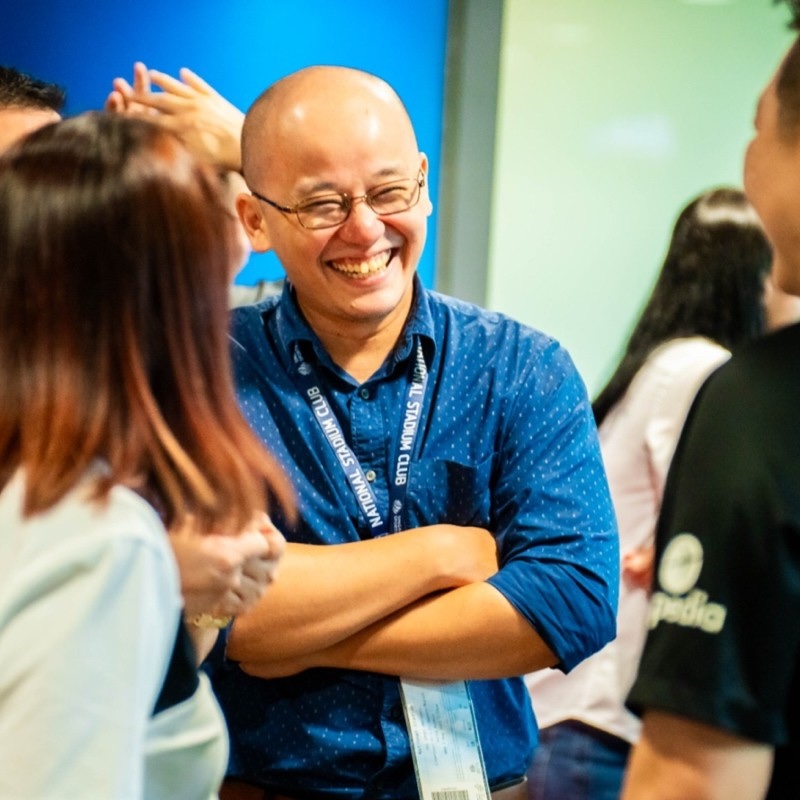
Haojun See
Haojun See

Founder & Director, On The Ground

Updated 4 November 2026

The short answer

When a tender fits a partner's field, we send one pack: the tender exactly as issued, our first-draft proposal with the gaps marked, and a one-page question sheet. The first conversation is then about the bid, not about getting acquainted. The pack is how Ground Control brings domain experts into bids quickly. It works because the partner gets something real to react to, and we ask only for what the bid needs.

Before any pack goes out

A pack only goes out for a tender we have already decided to bid on, or to bid on if the right partner joins. We don't pass on tenders as leads, and there is no fee to join. The draft proposal must already exist, with every part the partner would own marked [TO CONFIRM]. If there's no draft yet, it's too early to bring a partner in.

What's in the pack

Three things, in one PDF per partner: • Page 1: the question sheet, with a confidentiality notice at the top. • The tender document, exactly as issued. • Our draft proposal, with its [TO CONFIRM] notes showing exactly where the partner's input goes. If the bid has a public prototype, its link goes in too.

What we leave out

Some documents never go in a first-read pack: • CVs and certificates (personal data). • Staff lists and company declarations. • Signature forms and undertakings. • Anything from our internal bid notes. • Other partners' or clients' names, and any rate we haven't agreed. One check matters every time: our draft may contain our own price. Whether a partner sees it is a decision made per bid; if not, the proposal is rebuilt without it first.

The one-page question sheet

We assume the partner is interested, and ask only what the bid needs, each with a deadline: 1. Their part: what they want to lead, what they'd leave to us, and whether they're already in another bid for this tender. 2. Their firm: name, registration number, years, size. 3. Two references for the exact kind of work the tender scores, and whether we may name them. 4. People and CVs for this project, without NRIC, date of birth or home address. 5. Their view on the tender's core, the heaviest-scored criterion. 6. Gaps in our draft: what they can fill, where it's weakest, one thing they'd add. 7. Time, including presenting if the buyer asks. 8. Conflicts with the buyer, its current provider or their employer. 9. Terms that come with the tender (IP, data rules, payment timing). We never ask for rates at this stage. Price is agreed only when a specific bid is going ahead.

After the pack

The partner's answers fill the draft's gaps, and a short call settles the rest. A partner who gives references, people, time and a clean conflict check is in. Anyone else is thanked. Then comes the per-bid paperwork: availability, evidence and a quote, in writing. After the first piece of work together, the partnership moves from a single bid to an ongoing one. If you lead a field and want to bid together, see Ground Control: bid with us. The wider process is in how to bid for Singapore tenders with partners.

Frequently asked questions

What should I send a potential partner for a tender bid?

Send the tender exactly as issued, your first-draft proposal with the partner's gaps clearly marked, and one page of questions about their part, references, people, time and conflicts. Leave out personal data, declarations, other partners' names and any unagreed rates.

When should you ask a tender partner about price?

Only once a specific bid is going ahead. Asking for rates at first contact slows the conversation and isn't needed to judge fit. Each side then prices its own share for that tender.

How do you protect confidential information when sharing a tender with a partner?

Put a confidentiality notice on the first page, share only the tender and your draft, and keep CVs, declarations, internal notes and other partners' or clients' names out. Check whether your draft contains your price, and remove it if the partner shouldn't see it.

Train your team on this

We teach teams to use Claude on their own work, and set up a company AI for them. Start with a free 1-hour preview, or see the full package.

Want to Apply This to Your Business?

We're a Singapore AI development and automation agency. Let's discuss how we can help solve your specific challenges.